
Exploring the Role of Structural Materials in Improving Building Performance
Building energy efficiency is a growing concern as we strive for sustainable development. One key factor influencing this is the choice of structural material. Opting for materials that not only offer durability but also enhance thermal performance can significantly reduce energy consumption. As we explore various options, understanding how different materials contribute to energy efficiency becomes crucial.
The Benefits of Using Timber in Construction
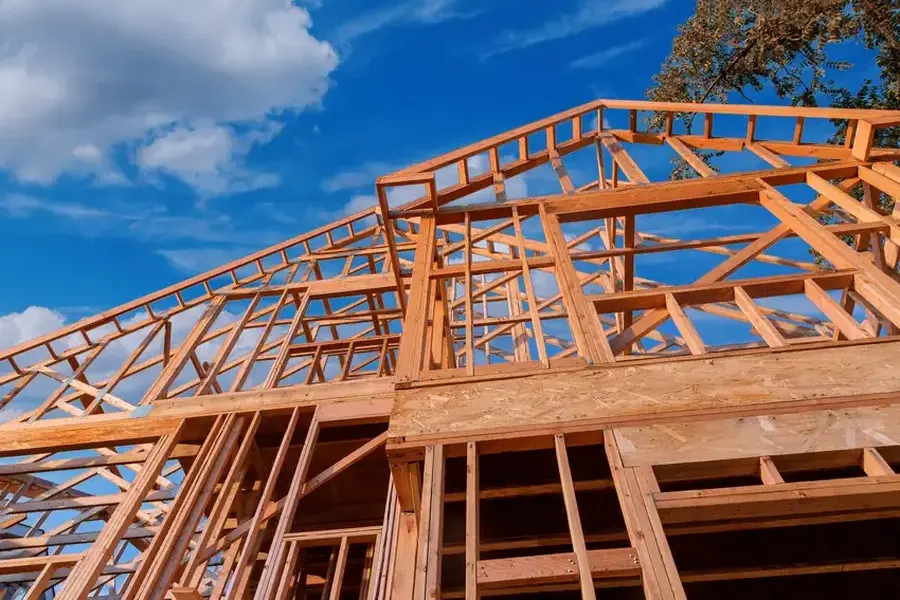
Using timber as a primary building material offers numerous advantages. It acts as a natural insulator, maintaining indoor temperatures by reducing heat transfer. This property leads to lower heating and cooling costs. Moreover, timber’s renewable nature makes it an environmentally friendly choice. With sustainable forestry practices, timber remains a viable option for eco-conscious builders.
How Wood Framing Improves Thermal Insulation
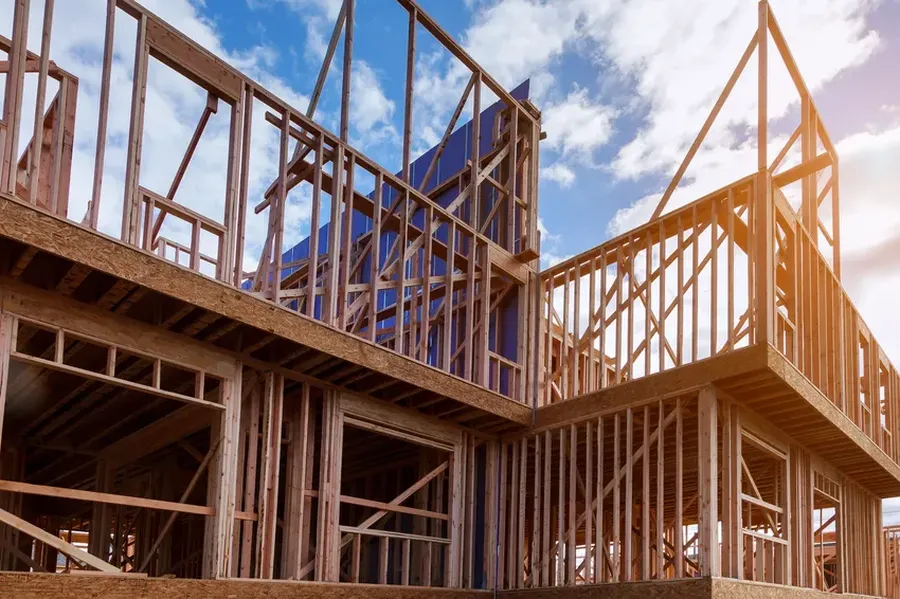
Wood framing plays a pivotal role in enhancing thermal insulation in buildings. The structure minimizes air leaks when properly installed, which helps maintain consistent indoor temperatures. By ensuring less heat loss during winter and reduced heat gain in summer, wood framing supports energy-efficient living spaces.
The Impact of Wood Framing on Indoor Air Quality
Another advantage of wood framing is its positive effect on indoor air quality. Unlike some synthetic materials, wood does not release harmful volatile organic compounds (VOCs). This ensures cleaner indoor air, contributing to healthier living environments. For those concerned about air quality, choosing wood-framed structures can be beneficial.
Comparative Advantages Over Other Materials
When comparing wood to other materials like steel or concrete, several benefits emerge:
- Lower embodied energy required for production
- Better thermal performance leading to less energy use
- Ease of construction with potential cost savings
- Natural aesthetic appeal enhancing design flexibility
Addressing Common Challenges in Wood Construction
While wood offers many benefits, it also presents challenges like susceptibility to pests and moisture damage. These issues can impact long-term durability if not managed correctly. It’s essential to implement preventive measures such as proper sealing and regular maintenance to mitigate these risks effectively.
Steps to Incorporate Sustainable Practices
Incorporating sustainable practices into wood construction involves several steps:
- Select certified sustainable wood sources
- Ensure proper site preparation to prevent water damage
- Implement energy-efficient design principles
- Use non-toxic finishes and treatments
- Conduct regular inspections for maintenance
Cost Considerations and Value Proposition
The initial costs of wood construction may vary depending on factors like location and design complexity. However, the long-term savings from reduced energy bills often outweigh the upfront expenditure. Additionally, the environmental benefits add significant value, especially in markets prioritizing sustainability.
Your Path to Efficient Building Solutions
If you’re looking to improve your building’s energy efficiency, consider exploring wooden structures. At United Framers LLC, we specialize in providing eco-friendly building solutions tailored to meet your needs. Call us at (973) 583-9690 for expert advice on your next project. Based in Newark, NJ, our team is ready to assist you with sustainable construction practices.