
Building a Lasting Home Structure Requires Quality and Precision
Your home’s durability depends significantly on the strength of its structural framework. Whether you’re building from the ground up or renovating, ensuring a solid structure is key for longevity. Construction projects require careful planning, quality materials, and skilled labor to create a durable home. In this guide, we will explore essential aspects of construction that contribute to long-term strength and reliability.
The Backbone of Your Home’s Structure
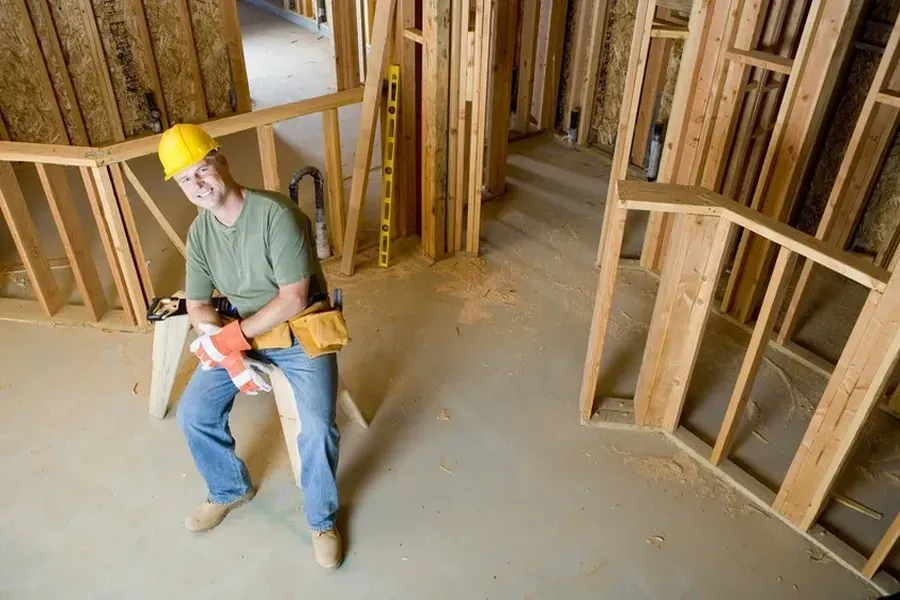
house framing serves as the backbone of any residential building, providing support and shape to the entire structure. It involves assembling various components like beams, studs, and joists to form a sturdy skeleton. A well-executed frame ensures that the house can withstand natural forces such as wind and seismic activities. Neglecting the importance of meticulous framing can lead to structural failures down the line.
Why Quality Materials Matter
Using high-quality materials in house framing guarantees a strong and reliable framework for your home. Common materials include wood, steel, and engineered products like laminated beams. Each material has its own strengths. For instance, wood offers flexibility and ease of use, while steel provides unmatched strength and resistance to pests. Selecting the right materials based on environmental conditions and design requirements is crucial for achieving a solid build.
The Benefits of Professional Craftsmanship
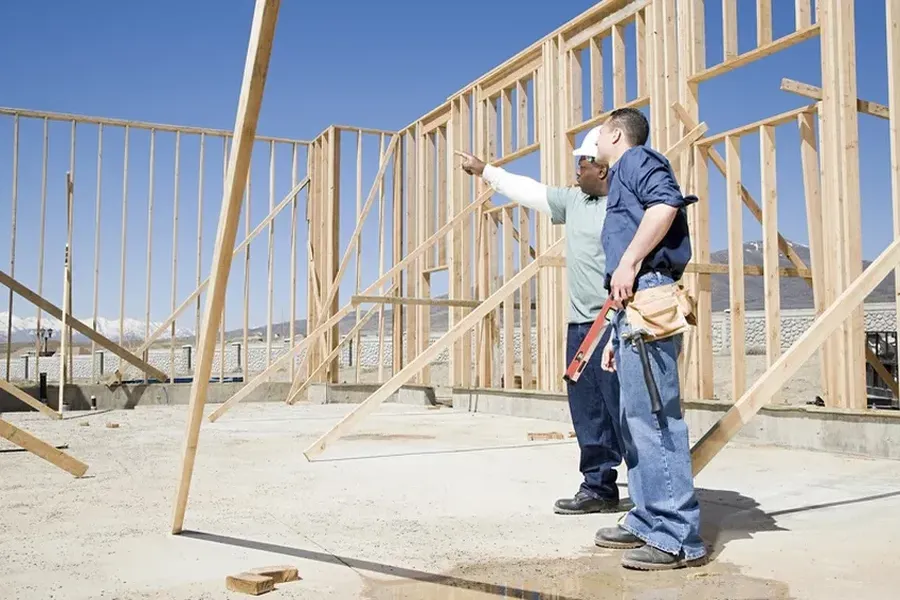
Expert craftsmanship plays an essential role in ensuring your home’s stability and longevity. Professionals bring years of experience and knowledge to the table, minimizing errors and enhancing precision during construction. Their expertise contributes to efficient project execution, reducing potential issues that could arise from poor workmanship. By employing qualified professionals, you ensure that every nail and board is placed with intention and skill.
Challenges in Structural Development
Several challenges can arise during the construction process. One common issue is misalignment of structural elements, which can compromise overall stability. Another challenge is using substandard materials to cut costs, resulting in weakened frames susceptible to damage. To avoid these pitfalls, it’s important to follow industry standards and invest in quality resources throughout every phase of construction.
Strategies for Creating Resilient Structures
- Choose the right materials for your environmental conditions
- Hire experienced professionals for accurate execution
- Conduct thorough inspections at each phase of construction
- Incorporate reinforcements in areas prone to stress
Understanding Industry Standards
Following established industry standards is vital for safe and durable construction. Building codes dictate specific requirements that must be met regarding load-bearing capacities, fire safety measures, and more. Adherence to these regulations not only ensures legal compliance but also enhances the resilience of your home against unexpected events.
Considering Construction Costs
The cost of building a strong frame varies depending on factors like location, material choice, and labor rates. While initial expenses may seem significant, investing in quality now saves money on repairs later. Consider value propositions such as warranty offerings and energy efficiency when assessing costs related to durable construction practices.
Making Informed Decisions for Lasting Homes
When it comes to creating a reliable home structure, making informed choices is paramount. Focus on selecting top-tier materials, adhering to quality standards, and hiring skilled professionals who prioritize accuracy in their work. These steps will help you achieve a solid foundation that stands the test of time. For additional guidance or inquiries on building techniques, reach out to United Framers LLC at (973) 583-9690. Based in Newark, NJ, our team specializes in delivering exceptional results tailored to meet your unique needs.